



Wednesday, October 22, 2025
Roof Repair vs. Replacement in Nebraska: How to Decide at 15–20 Years
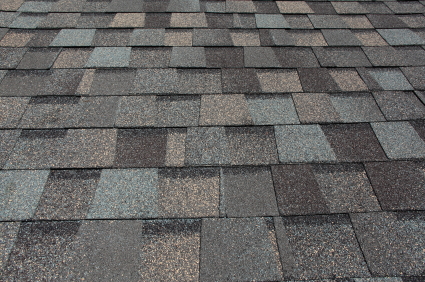
If your roof is in that 15 to 20-year window, you might be asking whether roof repair is enough or if it is time to replace. This guide breaks down how Omaha weather, roof age, and recurring problems influence the choice so you can protect your home with confidence. If you already see leaks, loose shingles, or hail dents, consider scheduling roof repair in Omaha so a pro can assess damage and stop issues from spreading.
Why Omaha Roofs Reach a Crossroads Around 15–20 Years
Nebraska’s seasons are tough on shingles. Spring hail and fast temperature swings, summer heat, fall wind, and winter snow all add up. Over 15 to 20 years, even a well-installed roof can show age from repeated freeze-thaw cycles, granule loss, and UV exposure. That is when homeowners in Benson, Dundee, Aksarben, and West Omaha often start to notice stains on ceilings or shingles that curl and crack.
Weather-Driven Wear That Tips the Scale
- Hail and wind can loosen seals, bruise shingles, and create hidden pathways for water.
- Freeze-thaw cycles widen tiny gaps around nails and flashings, which can lead to leaks.
- Sun and heat dry out shingles over time, reducing flexibility and protective granules.
Think of your roof like a winter coat. A small tear might be fine the first year, but as more storms roll in, the coat gets thinner and the tear grows. At some point, patching is not enough to stay warm.
Signs That Roof Repair Is the Smart Choice
Repairs make sense when the roof is generally sound but has isolated trouble. A common example is a few missing shingles after a wind burst in Elkhorn or Millard. Another is a minor flashing issue around a vent or chimney that caused a small stain but has not affected a wider area.
Situations Perfect for Spot Repairs
- Small, well-defined leaks traced to one area, like a pipe boot or step flashing
- Limited wind damage on one slope with otherwise healthy shingles
- One valley that needs fresh underlayment, while the rest of the roof performs well
- Early granule loss that has not spread across the entire roof
When issues are contained, a quality repair extends life and buys time to plan your next move. It also lets you choose your season and avoid rushing during a busy storm period.
When Roof Replacement Makes More Sense
Replacement becomes the better long-term move when problems keep coming back or multiple slopes are failing. If your roof is approaching 20 years and you have stains in several rooms, curled shingles across wide sections, or widespread hail bruising, a new system can reset performance and reduce the stress of frequent fixes.
Red Flags That Point to Replacement
Look for patterns instead of single events. Repaired the same area twice in a year? Finding granules piling in gutters after every storm? Seeing soft decking spots near the eaves? These are clues that the system is aging out and that repair money might be better invested in a full replacement. Replacement also allows upgrades like better underlayment, improved attic ventilation, and impact-rated shingles that can handle Nebraska storms.
Repair vs. Replacement: How to Compare
Choosing between the two is part safety, part timing, and part risk management. Use this quick comparison as a starting point, then bring in a pro to confirm on-site.
What to Weigh Before You Decide
- Scope of damage: Is it isolated to one section, or across multiple slopes?
- Roof age: Closer to 20 years usually means more underlying wear.
- Leak history: Recurring leaks point to system-level issues.
- Storm exposure: Recent hail or high winds increase the chance of hidden damage.
- Future Plans: If you plan to stay long-term, a replacement can reset the clock.
Repairs are like replacing a tire on a car that is otherwise in good shape. Replacement is like getting a new set when the tread is worn on all four. The right choice protects your home and reduces surprises during peak storm season.
A Simple Homeowner Plan for Omaha Roofs at 15–20 Years
You do not need to be a roofing expert to make a confident choice. Follow this straightforward plan and use local help when you need it.
1) Start With a Documented Assessment
Walk the exterior from the ground and take photos of missing shingles, lifted edges, or exposed nail heads. Note any interior stains on ceilings, especially after a storm. Then schedule a professional inspection so a trained eye can check the attic, flashings, and ventilation. If a small repair is all you need, get it handled quickly to limit further damage.
2) Watch for Safety and Timing
Climbing on roofs is risky. Avoid getting on the roof and rely on a pro to check steep slopes or tricky areas like dormers and chimneys. In Omaha, spring and late summer bring the most storm activity, so plan work windows with that in mind. If a storm just hit your area, getting on the schedule early helps you avoid delays.
3) Compare Repair and Replacement Options
Ask for clear photos, a written scope, and a description of materials. Repairs should address root causes, not just symptoms. For replacement discussions, talk about ventilation improvements, underlayment choices, and shingle options that perform well in Nebraska’s climate. If you want a quick overview while you research, browse practical guides on Omaha roofing tips to understand common terms and what to expect.
4) Consider Storm Resilience
Hail, high winds, and rapid temperature swings are part of life here. Impact-rated shingles and well-detailed flashings help resist storm wear. Good attic ventilation also matters because it controls moisture and temperature, which protects your roof deck and shingles through hot summers and cold winters.
Common Scenarios Omaha Homeowners Face
Every home is different, but many decisions fall into a few buckets.
Scenario 1: Your 16-year-old roof has a single leak around a vent. The rest of the shingles look flat, the granules are mostly intact, and the attic is dry except in one spot. A targeted repair is likely the right move, followed by a check after the next heavy rain.
Scenario 2: Your 19-year-old roof in Aksarben shows curling on the south slope, granules in the gutters, and dark streaks near several nail heads. You fixed one leak last fall and another popped up this spring. Replacement is usually the better long-term choice here.
Scenario 3: A hailstorm rolled through West Omaha. You do not see obvious damage from the ground, but neighbors are replacing sections. A professional inspection is smart because hail can bruise shingles without visible cracks, and those bruises can lead to premature failure.
How Valley Boys Roofing Helps You Decide With Confidence
Our team focuses on clear findings, straight talk, and the right fix for your home. We start with photos, explain the root cause, and guide you through repair vs. replacement so you can choose what fits your home and timeline. If a repair will do the job, we will recommend it. If your roof is aging out, we will show you why and outline options that fit Nebraska’s weather.
Local Approach, Built for Nebraska Weather
From Midtown and Dundee to Millard and Elkhorn, we understand how wind patterns, tree cover, and sun exposure shift across Omaha neighborhoods. We also pay close attention to attic ventilation because it protects the roof deck through our hot summers and freezing winters. When the forecast turns stormy, we help homeowners prioritize urgent repairs first, then plan any larger work during safer weather windows.
What to Do Right Now if You Are on the Fence
If you are seeing stains or missing shingles, act quickly. Water finds the easiest path inside, and small leaks can spread along rafters before you notice. It is wise to start with a thorough check and fast fix if needed. If you want a pro’s eyes on your home, request an inspection and discuss roof repair options before the next round of storms. That early move can prevent bigger problems and protect your ceilings, insulation, and walls.
The Bottom Line for Omaha Roofs at 15–20 Years
Choose repair when damage is limited and the roof system is healthy. Choose replacement when leaks recur, multiple slopes are failing, or the roof is nearing the end of its expected life. Above all, do not ignore active leaks. The faster you act, the easier it is to control risk and protect your home value.
If you are comparing companies, check for local experience, clear documentation, and strong communication. Ask how they handle flashings, ventilation, and underlayment. And remember to work with a trusted roofing contractor that explains what they see in plain language and shows you photos of their findings. When you are ready, talk with Valley Boys Roofing and we will help you decide the best path for your home.
Ready for Clarity? Get a Professional Assessment Today
Whether it is a focused fix or a full replacement, the first step is a careful look at your roof. Reach out to Valley Boys Roofing and schedule an on-site evaluation. We will document what we find, explain options, and prioritize the right solution for your home and season. If a quick repair is the best move, we can outline next steps and get you on the calendar through our roof repair service.