



Friday, October 10, 2025
Hail vs. Wind Damage: What Omaha Roofers Look For During Inspections
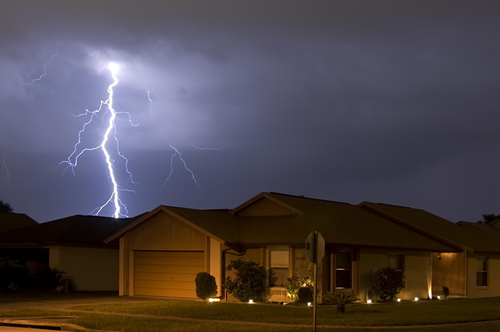
Lightning strike at night very near homes
Living in Omaha means dealing with unpredictable weather, especially in spring and summer. When storms hit, your roof is on the front lines, often suffering the most damage. Understanding the differences between hail and wind damage—and how roofers distinguish between them—is key to protecting your home and making informed insurance decisions.
Below, we’ll walk through how a roof inspection Omaha residents can trust is conducted, what professionals look for, and how you can spot potential damage after a storm.
Why Roof Inspections Matter After a Storm
After a significant storm, your roof may look intact from the ground, but problems can be hiding in plain sight. That’s where roof inspections come in. These assessments are essential for determining whether hail, wind, or both caused damage, and for identifying small issues before they escalate into major repair bills.
Not all storm damage is obvious. Granule loss, lifted shingles, cracked flashing, or torn sealant can compromise your roof’s ability to protect your home from water intrusion. A thorough roof inspection allows contractors to document everything, making the insurance process smoother and helping prevent long-term damage.
Hail Damage: What It Looks Like
Hail damage is generally more direct and visible. Roofing professionals inspecting for hail will look for:
- Circular impact marks or bruises on shingles, which may feel soft or spongy.
- Granule displacement, exposing the asphalt layer beneath.
- Cracked or broken shingles, especially on older roofs with weakened materials.
- Dents on metal components such as flashing, vents, or gutters.
During a roof inspection, Omaha roofers perform after a hailstorm, they may also check surrounding property elements—like siding, cars, or patio furniture—to confirm hail presence and gauge its size and force.
Wind Damage: Subtle but Serious
Unlike hail, wind damage can be more deceptive. High-speed winds don’t always tear shingles off completely; they often lift them, breaking the seal between the shingle and the roof deck. Over time, this can lead to water leaks and mold issues.
Roofers inspecting for wind damage in Omaha look for:
- Creased or lifted shingles where the adhesive bond has failed.
- Missing shingles entirely, often exposing the underlayment or wood decking.
- Displaced flashing around chimneys or vents.
- Torn ridge caps or hip shingles, especially on older roofs.
The direction and strength of wind often leave a telltale path of damage, which a skilled Omaha roofing contractor team can identify and document for you.
The Post-Storm Roof Checklist
Homeowners in Omaha should be proactive after major weather events. Here’s a quick post-storm roof checklist to follow:
- Walk your property and take photos of visible debris or fallen branches.
- Check the ground for shingle pieces or granules near downspouts.
- Inspect ceilings inside your home for signs of water staining.
- Look at gutters and siding for signs of impact or loose components.
- Schedule a professional roof inspection even if you don’t notice damage.
Remember, not all storm damage is immediately apparent. Waiting can lead to more expensive issues down the line.
Final Thoughts: Trust the Experts
When it comes to hail vs wind roof damage Omaha homeowners face every year, no two storms—or roofs—are exactly alike. That’s why trained eyes matter. A professional can tell whether your damage is from uplifted wind pressure, hail impact, or a combination of both—and what steps to take next.
If you’ve recently experienced severe weather, don’t leave things to chance. Schedule your roof inspection in Omaha with us today.