



Monday, February 9, 2026
7 Subtle Signs Your Omaha Roof Needs Repair Before the Next Storm
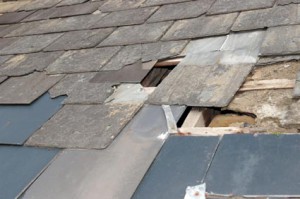 Omaha weather can turn fast, and small roof problems have a way of growing after spring hail or a windy cold front. If you catch the issues below early, you can protect your ceilings, walls, and peace of mind. When any of these signs show up, schedule a quick roof repair so a pro can stop damage from spreading. It is the simplest way to keep your home ready before the next storm rolls over Benson, Dundee, Aksarben, or Millard.
The 7 Subtle Signs Your Roof Needs Repair
1) Granules Gathering Where They Shouldn’t
Check the ground near downspouts after rain. If you see lots of dark, sandy grit piled up, those are shingle granules washing off. That loss thins your shingles and can signal aging or hail wear. Left alone, water can work into the mat and show up as interior stains later.
2) Shingle Edges That Look Lifted or Creased
Wind gusts in West Omaha and Elkhorn often catch south-facing slopes. From the ground, look for edges that seem to lift or show a faint line across the shingle. That crease means the seal failed, and wind can drive rain beneath the tab. It is subtle, but it lets moisture travel under the surface.
3) Flashing That’s Dull, Rusted, or Out of Line
Metal flashing protects high-risk spots like chimneys, sidewalls, and skylights. If it looks oxidized, has gaps, or sits unevenly, water can slip behind it. Flashing problems often mimic ceiling leaks far from the actual source, which is why a pro inspection matters.
4) Drip Edge and Fascia Streaks
Brown streaks along the fascia or under the drip edge hint at water wicking backward during wind-driven rain. It is easy to miss because the shingles can still look fine. Catching this early prevents rot at the roof’s edge and protects soffits from moisture.
5) Attic Clues: Musty Smells or Damp Insulation
Without climbing on the roof, you can spot early trouble by a quick attic check from the hatch. A musty odor, darkened sheathing near vents, or insulation that feels clumpy point to slow leaks. In Omaha’s freeze-thaw cycle, tiny gaps widen and feed these signs.
6) Leaks That Only Appear After Certain Winds
If a stain shows up only after a strong north wind, that pattern suggests lifted tabs, loose ridge caps, or step flashing concerns. Track when stains appear. Consistent timing tied to wind often means a targeted repair can solve it before it spreads.
7) Hail “Bruises” You Can’t See From the Yard
Hail does not always leave clean cracks. It can crush granules and soften the asphalt underneath, creating a bruise that ages fast with sun and heat. A trained eye knows how to confirm impact and document it for repair planning.
Omaha Roof Repair: How Pros Spot Hidden Problems
A careful inspection focuses on where storms actually stress your roof. In neighborhoods with large trees like Dundee and Aksarben, pros look for scuffed shingles under overhanging branches. Along open fields near Elkhorn or Papillion, they check south and west slopes for wind lift. They will also review valleys, pipe boots, and chimney steps, then verify the attic for airflow and moisture so the fix addresses the root cause, not just the symptom.
Curious how roofers tell storm types apart? This quick read on hail vs. wind damage explains what pros look for after rough weather.
Why Fast Action Matters In Omaha Weather
Here, storms stack up: spring hail, summer downpours, and winter ice. Small openings let water travel along rafters and show up in rooms away from the entry point. Acting on early signs is a simple form of risk control. It cuts the chance of drywall damage, protects insulation, and helps you avoid chasing leaks across multiple rooms.
Don’t wait on active stains. Even if they look small, recurring circles on ceilings often mean water is moving under shingles or around flashing. A prompt repair keeps it from becoming a bigger project later.
What To Do Next: Simple Steps Before The Next Storm
You do not need to be a roofing expert. Keep it simple and let a pro handle the details.
- Document what you see from the ground: stains, missing tabs, or shingle pieces after wind.
- Note when leaks appear. Timing tied to wind or heavy rain helps pinpoint the cause.
- Request a trusted roof inspection so a technician can check the attic, flashings, and high-risk areas.
- Fix small problems quickly with targeted roof repair before the next round of storms.
During busy storm seasons, schedules fill fast. A short inspection now gives you a plan and priority on the calendar if the weather turns.
Local Clues Omaha Homeowners Often Miss
Every roof tells a story, but a few Omaha patterns show up again and again:
- Granules in gutters after hail: looks harmless, but accelerates wear on sunny slopes in La Vista and Ralston.
- “Shadows” in valleys: sometimes it’s not dirt. It can be granule loss or slipped underlayment that deserves a closer look.
- Dark lines near nail heads: heat and sun bake shingles on south faces, letting nails telegraph through and invite water.
- Sidewall staining under tall trees: intermittent leaks can show here before anything shows on the ceiling.
When these patterns line up, a focused repair often restores performance. If your roof is older and issues keep popping up, an inspection can also tell you whether to plan for a larger project later in the year.
When An Emergency Roofing Inspection Makes Sense
Some situations call for a same-day look, especially after severe wind or hail. If you notice interior drips, a sagging area, or shingles scattered across the yard, request an emergency roofing inspection. The goal is to stabilize the problem quickly and prevent further damage, then schedule follow-up work in safer weather.
If you are researching companies or next steps, you can also read a longer comparison on repair vs. replacement in the blog archive. It will help you understand how age, repeated leaks, and storm history shape the decision in our region.
How Valley Boys Roofing Handles Your Visit
Clear communication reduces stress. Our process is simple and transparent:
- Assessment: A trained technician reviews high-risk areas and the attic, then takes photos so you can see what we see.
- Plan: We explain the root cause and outline the repair path.
- Follow-through: Repairs are scheduled in a weather-safe window, and we recheck the area after the next rain to confirm the fix performed as expected.
If storms damaged your home in Bellevue or near the river in Council Bluffs, we prioritize fast dry-in and documentation. That way, you have what you need to plan your next steps with confidence.
Ready For Omaha Roof Repair Before The Forecast Turns?
If any of these seven signs sound familiar, take the next easy step and reach out to Valley Boys Roofing. A quick inspection now can prevent bigger headaches later. You can start at our home base here and learn more about our experienced Omaha roofing contractors, or call us at 402-898-7108 to get on the schedule.
When a focused fix is all you need, we will recommend it. If we find broader wear, we will explain why and help you plan the right solution for your home and season. For fast help after rough weather, ask about storm damage roof repair so your home is ready for what comes next.